On November 27th, 2025, the la_plata.rb community came together at Calle Uno for what became the first and last meetup of the year in the city. More than 30 Ruby developers gathered together to share knowledge, experiences, and drinks.
The meetup was made possible thanks to the support of RubyCentral, GitHub, SINAPTIA, and Unagi. Many thanks to our sponsors; this wouldn’t have been possible without them.
Observability en la era de AI
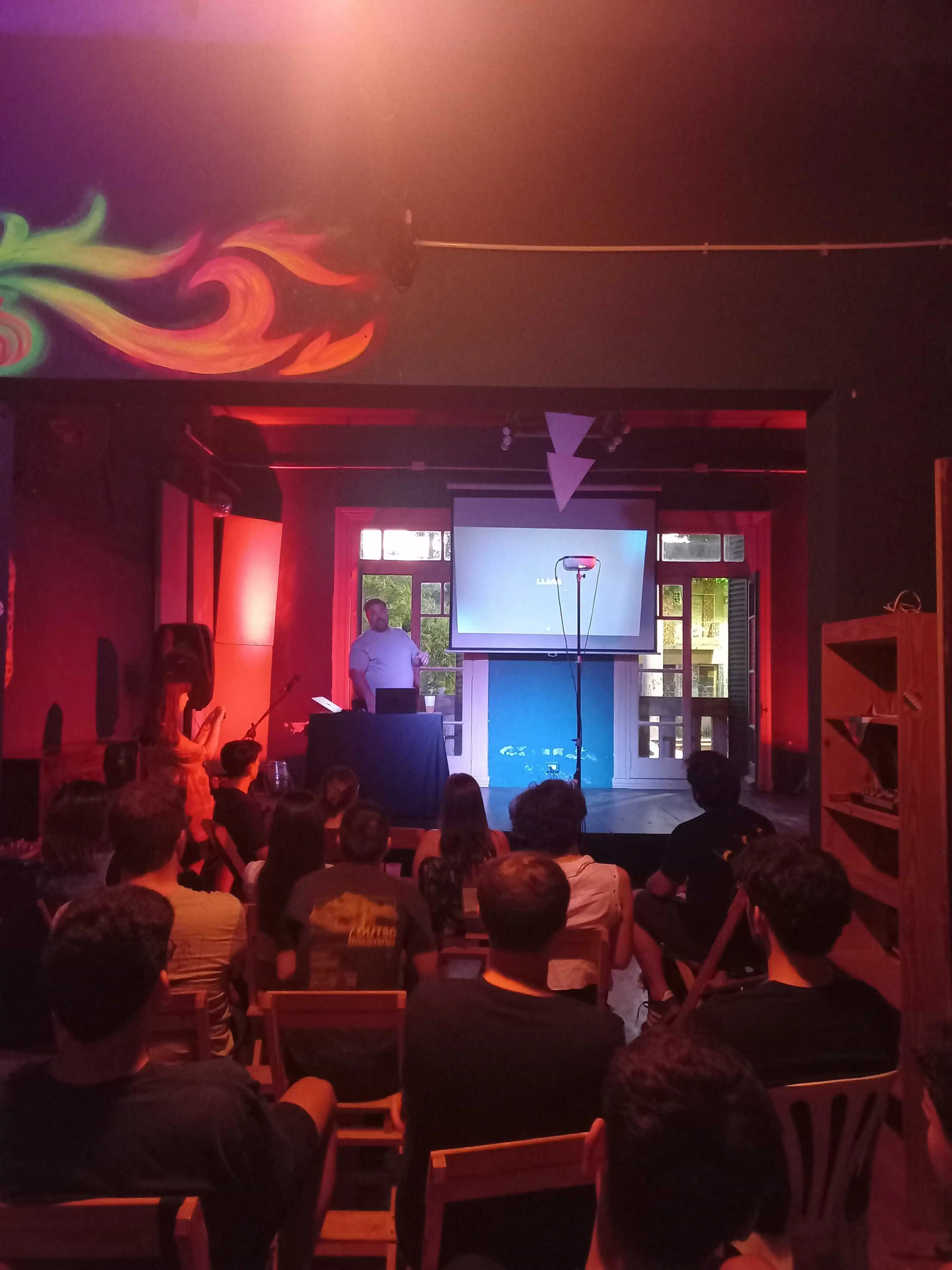
The first talk was presented by Patricio Mac Adden from SINAPTIA, who shared his team’s journey combining observability tools with LLMs to tackle real-world Rails application problems. With an upfront disclaimer that this wasn’t “the definitive solution” but rather hard-earned experience from the trenches, Patricio dove into a fascinating story.
He started by providing context on how SINAPTIA uses LLMs daily—from AI agents that help with programming, code reviews, and debugging, to production features like image classification, image upscaling, similarity search, and MCP integration. The goal? Optimize time and maximize value.
The talk then explored the observability challenges they faced: applications with performance problems, memory leaks, slow actions, and scarce hardware and software resources (think free-tier APMs or no APM at all), all while trying to develop new features. Their DIY APM journey took them from ActiveSupport::Notifications and ActiveSupport::ErrorReporter to OpenTelemetry, eventually leading to SolidTelemetry.
But when they tried combining their APM data with LLMs for automated problem-solving, they hit roadblocks: the process was too manual (exporting traces, exceptions, and performance items was tedious), too repetitive (you had to tell the LLM what to do every time), used too much context (OpenTelemetry exports many spans per trace), and ultimately wasn’t LLM-friendly.
The solution? MiniTelemetry. A simpler, more lightweight approach that replaces traces/spans with events, eliminates metrics, and is built on top of Rails’ native ActiveSupport::Notifications and ActiveSupport::ErrorReporter. Most importantly, it’s LLM-friendly by design. The talk concluded with a live demo showing how this approach works in practice.
Elijo tu propia aventura
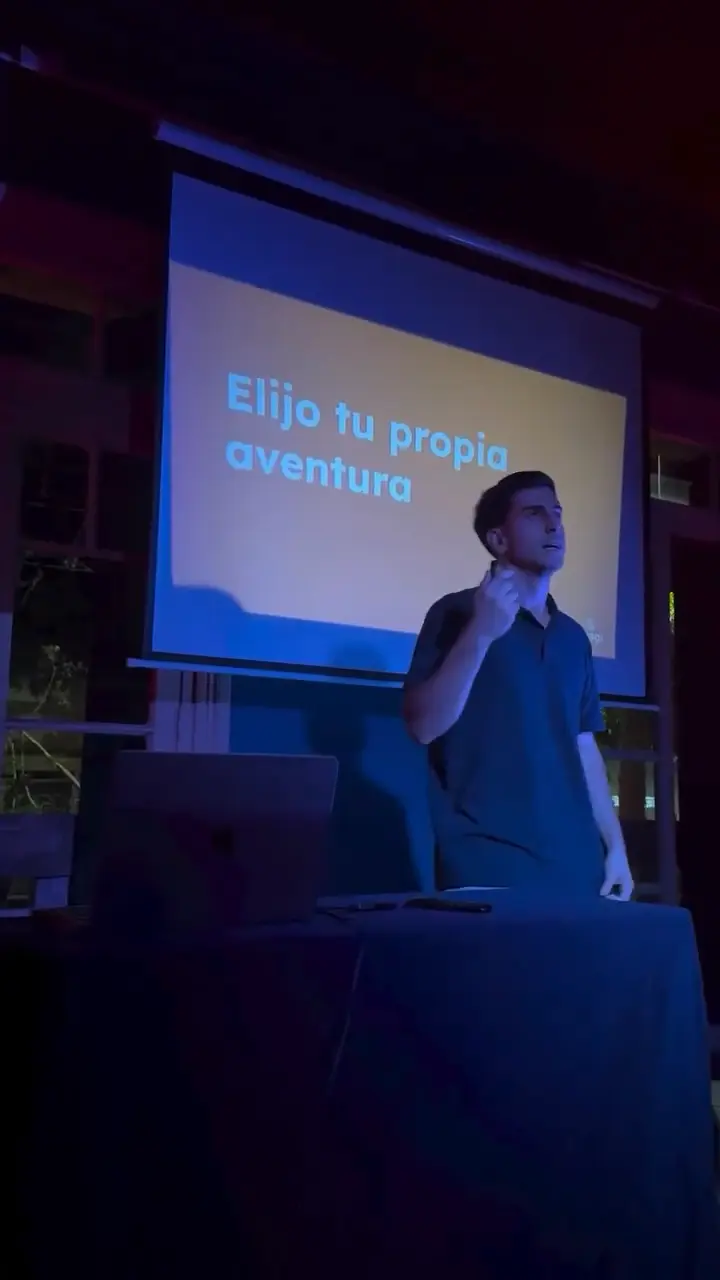
The second presentation, delivered by Renzo Quaggia from Unagi, took a creative storytelling approach inspired by the classic “Choose Your Own Adventure” books. Rather than an interactive format, Renzo shared his real-world experience working on a checkout page, a critical part of any e-commerce system where every decision can significantly impact conversion rates.
Renzo walked the audience through the decision points he faced during the project, much like the branching paths in those beloved adventure books. The talk explored how these choices ultimately led him to implement A/B testing as a solution, allowing data rather than assumptions to guide which path to take. It was a practical reminder that in software development, we often face multiple valid approaches, and sometimes the best answer is to test them all.
As with any good Ruby meetup, the event concluded with time for networking, sharing experiences, and connecting with other developers over food and drinks.
Thanks again to RubyCentral, GitHub, SINAPTIA, and Unagi for making this event possible, and to everyone who attended. We hope next year we can see more events like this!